
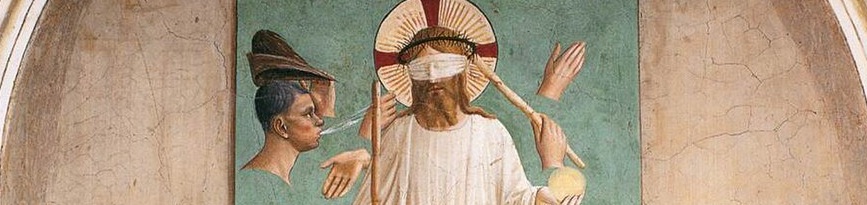
Die Künste im Mittelalters.
Nicht immer war Kunst das, was wir heute darunter verstehen. Das Verständnis für die bildende Künste entwickelte und veränderte sich im Laufe der Jahrhunderte, wobei Kunst lange Zeit nicht als "Kunst" gewertet wurde, denn dieser Begriff war für ganz andere Disziplinen reserviert. Im Mittelalter bezeichnet das Wort "ars" Aktivitäten, die wir zum einen als Wissenschaft, zum anderen als Handwerk definieren würden. Erst in der frühen Neuzeit entwickelte sich in Zusammenhang mit dem Humanismus ein "moderner" Kunstbegriff. Im mittelalterlichen System der "artes" kommt das, was wir als bildende Kunst bezeichnen an keiner Stelle explizit vor, weder in den "artes liberales", den sieben freien Künsten, noch in den "artes mechanicae", den mechanischen oder niederen Künsten. Doch wozu diente die reiche und vielfältige Bildproduktion im Mittelalter? Wer waren die Auftraggeber? Welche Ziele verfolgten diese mit der Herstellung von visuellen Artefakten? In welchem Kontext müssen wir diese stellen? Die Vorlesung will einen Überblick über die wichtigsten Bereiche von Kunstproduktion geben und ihre Entwicklung darstellen. Nebst der höfischen Kunstproduktion ist natürlich die katholische Kirche die wichtigste Auftraggeberin, die damit kultische aber auch politische Ziele verfolgte. Nachdem das Frühchristentum durch das herrschende Bilderverbot des Alten Testaments mit der Herstellung und dem Bildgebrauch schwerwiegende Probleme hatte, wurde ein großer legitimatorischer Aufwand betrieben, um diese für unterschiedlichste Aufgaben zu retten. Wesentliche Bereiche der Kommunikation gestalteten sich somit über „Bildkulturen“, was die Vorlesung thematisieren wird.
The arts in the Middle Ages. Art was not always what we understand it to be today. The understanding of the visual arts developed and changed over the centuries, with art not being considered “art” for a long time, as this term was reserved for completely different disciplines. In the Middle Ages, the word “ars” referred to activities that we would define as science on the one hand and craftsmanship on the other. It was not until the early modern period that a “modern” concept of art developed in connection with humanism. In the medieval system of “artes,” what we refer to as fine art does not appear explicitly anywhere, neither in the “artes liberales,” the seven liberal arts, nor in the “artes mechanicae,” the mechanical or lower arts. But what was the purpose of the rich and diverse production of images in the Middle Ages? Who were the patrons? What goals did they pursue with the production of visual artifacts? In what context must we place them? The lecture aims to provide an overview of the most important areas of art production and to describe their development. In addition to courtly art production, the Catholic Church was, of course, the most important patron, pursuing both cultic and political goals. After early Christianity had serious problems with the production and use of images due to the Old Testament's prohibition of images, a great deal of effort was made to legitimize them for a wide variety of tasks. Essential areas of communication were thus shaped by “image cultures,” which will be the subject of this lecture.
The arts in the Middle Ages. Art was not always what we understand it to be today. The understanding of the visual arts developed and changed over the centuries, with art not being considered “art” for a long time, as this term was reserved for completely different disciplines. In the Middle Ages, the word “ars” referred to activities that we would define as science on the one hand and craftsmanship on the other. It was not until the early modern period that a “modern” concept of art developed in connection with humanism. In the medieval system of “artes,” what we refer to as fine art does not appear explicitly anywhere, neither in the “artes liberales,” the seven liberal arts, nor in the “artes mechanicae,” the mechanical or lower arts. But what was the purpose of the rich and diverse production of images in the Middle Ages? Who were the patrons? What goals did they pursue with the production of visual artifacts? In what context must we place them? The lecture aims to provide an overview of the most important areas of art production and to describe their development. In addition to courtly art production, the Catholic Church was, of course, the most important patron, pursuing both cultic and political goals. After early Christianity had serious problems with the production and use of images due to the Old Testament's prohibition of images, a great deal of effort was made to legitimize them for a wide variety of tasks. Essential areas of communication were thus shaped by “image cultures,” which will be the subject of this lecture.
- Trainer/in: Elisabeth